Dyspareunia (Painful Intercourse)
Dyspareunia (Painful Intercourse)
Section titled “Dyspareunia (Painful Intercourse)”Dyspareunia is the medical term for pain during sexual intercourse. It can affect people of all ages and genders, significantly impacting sexual health, relationships, and quality of life. The condition is treatable, and with proper diagnosis and care, most people can return to pain-free intimacy.
What Is Dyspareunia?
Section titled “What Is Dyspareunia?”Dyspareunia is defined as persistent or recurrent genital pain that occurs just before, during, or after sexual intercourse. The pain can be:
- Superficial (at the vaginal opening) or deep (with deep penetration)
- Primary (present from first sexual experiences) or secondary (developing after a period of pain-free intercourse)
- Situational (only in certain circumstances) or generalized (occurring in all situations)
Types of Dyspareunia
Section titled “Types of Dyspareunia”Superficial (Entry) Dyspareunia:
Section titled “Superficial (Entry) Dyspareunia:”- Location: Pain at vaginal entrance during initial penetration
- Sensation: Burning, stinging, or tearing feeling
- Common causes: Vaginismus, vulvodynia, infections, inadequate lubrication
Deep Dyspareunia:
Section titled “Deep Dyspareunia:”- Location: Pain with deep penetration, felt internally
- Sensation: Aching, pressure, or sharp pain deep in pelvis
- Common causes: Endometriosis, pelvic inflammatory disease, ovarian cysts
Primary vs. Secondary:
Section titled “Primary vs. Secondary:”- Primary: Pain present from first sexual experiences
- Secondary: Pain develops after period of comfortable intercourse
Causes of Dyspareunia
Section titled “Causes of Dyspareunia”Physical Causes:
Section titled “Physical Causes:”Vaginal/Vulvar Conditions:
- Vaginismus - involuntary muscle spasms preventing penetration
- Vulvodynia - chronic vulvar pain without identifiable cause
- Vaginal infections - yeast infections, bacterial vaginosis
- Sexually transmitted infections - herpes, gonorrhea, chlamydia
- Vaginal dryness - often related to hormonal changes
Pelvic Conditions:
- Endometriosis - uterine tissue growing outside uterus
- Pelvic inflammatory disease - infection of reproductive organs
- Ovarian cysts - fluid-filled sacs on ovaries
- Uterine fibroids - non-cancerous growths in uterus
- Pelvic floor dysfunction - tight or overactive pelvic muscles
Hormonal Factors:
- Menopause - decreased estrogen affects vaginal tissues
- Breastfeeding - lower estrogen levels cause vaginal dryness
- Hormonal contraceptives - may reduce natural lubrication
- Postpartum changes - healing tissues and hormonal shifts
Structural Issues:
- Vaginal stenosis - narrowing of vaginal canal
- Congenital abnormalities - structural differences from birth
- Scar tissue - from surgery, childbirth, or trauma
- Atrophic changes - thinning tissues due to hormonal changes
Psychological/Emotional Causes:
Section titled “Psychological/Emotional Causes:”- Anxiety about sexual performance or pain
- Depression affecting sexual desire and arousal
- Relationship issues creating tension or stress
- Past trauma - sexual abuse or traumatic medical experiences
- Cultural or religious factors affecting attitudes toward sex
- Fear of pregnancy or sexually transmitted infections
Partner-Related Factors:
Section titled “Partner-Related Factors:”- Inadequate arousal - insufficient time for natural lubrication
- Poor communication about needs and comfort
- Technique issues - lack of foreplay or inappropriate pressure
- Partner’s sexual dysfunction affecting the experience
Symptoms
Section titled “Symptoms”Pain Characteristics:
Section titled “Pain Characteristics:”- Sharp, burning, or stinging sensation during penetration
- Deep aching or pressure with thrusting
- Muscle spasms around vaginal entrance
- Pain that persists after intercourse ends
Associated Symptoms:
Section titled “Associated Symptoms:”- Vaginal dryness or inadequate lubrication
- Bleeding during or after intercourse
- Urinary symptoms - urgency, frequency, or burning
- Pelvic pressure or fullness
- Lower abdominal pain
Emotional Impact:
Section titled “Emotional Impact:”- Anxiety about sexual activity
- Avoidance of intimacy
- Relationship strain and communication difficulties
- Decreased self-esteem and body image issues
- Depression related to sexual dysfunction
Diagnosis
Section titled “Diagnosis”Medical History:
Section titled “Medical History:”- Detailed sexual history including pain patterns and duration
- Menstrual and reproductive history
- Medical conditions and medications
- Previous surgeries or procedures
- Psychological and relationship factors
Physical Examination:
Section titled “Physical Examination:”- External genital examination for signs of infection, inflammation, or anatomical issues
- Gentle pelvic examination to identify areas of tenderness
- Cotton swab test to locate specific areas of pain
- Assessment of vaginal tissues for dryness, thinning, or scarring
Specialized Testing:
Section titled “Specialized Testing:”- Vaginal cultures to test for infections
- Hormone level testing if hormonal causes suspected
- Ultrasound to check for ovarian cysts, fibroids, or other pelvic conditions
- MRI in complex cases to evaluate deep pelvic structures
Psychological Assessment:
Section titled “Psychological Assessment:”When appropriate, evaluation of:
- Mental health factors contributing to pain
- Relationship dynamics affecting sexual function
- History of trauma or abuse
- Anxiety and stress levels
Treatment Approaches
Section titled “Treatment Approaches”Medical Treatments:
Section titled “Medical Treatments:”Treating Underlying Conditions:
- Antifungal medications for yeast infections
- Antibiotics for bacterial infections or STIs
- Hormonal therapy for estrogen deficiency
- Anti-inflammatory medications for inflammatory conditions
Topical Treatments:
- Estrogen creams for vaginal atrophy
- Lidocaine gel for numbing painful areas
- Moisturizers for ongoing vaginal dryness
- Specialized lubricants for comfort during intimacy
Physical Therapy:
Section titled “Physical Therapy:”Pelvic Floor Physical Therapy:
- Internal examination to assess muscle function
- Manual therapy to release tight muscles and trigger points
- Biofeedback training to learn muscle control
- Progressive muscle relaxation techniques
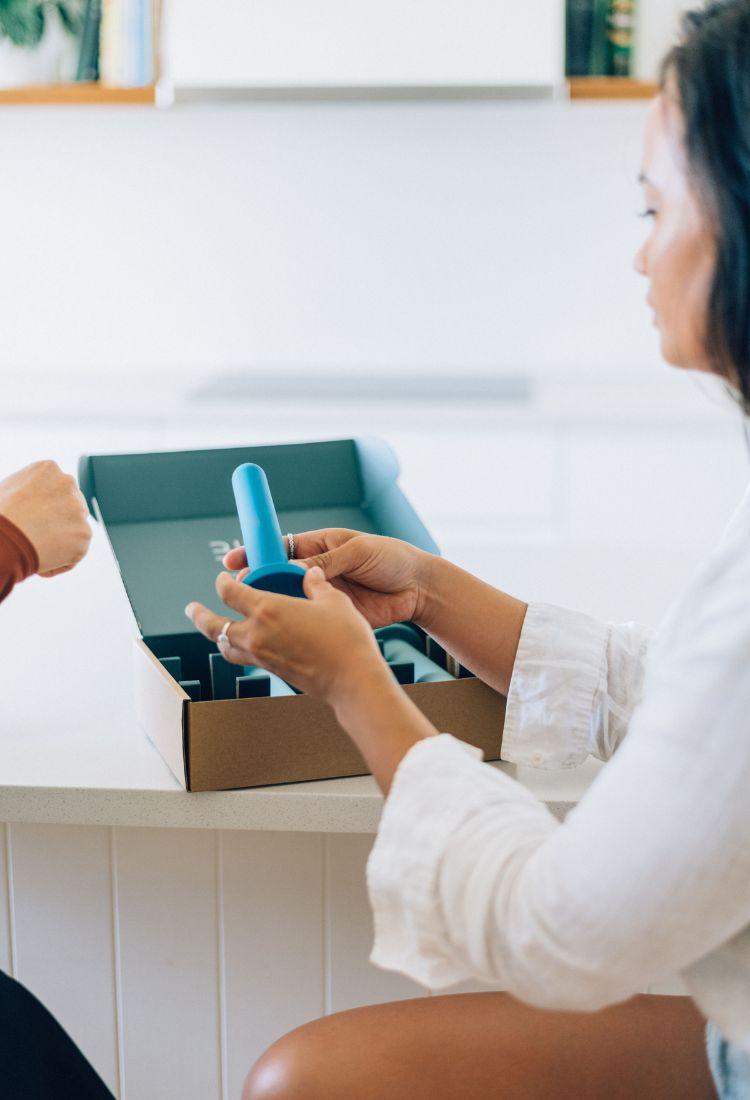
- Dilator therapy when appropriate for gradual desensitization
Exercise Programs:
- Pelvic floor exercises when muscles are weak
- Stretching routines for tight hip and pelvic muscles
- Breathing exercises for relaxation and pain management
- Core strengthening for overall pelvic support
Professional Video Resources for Dyspareunia Treatment:
Section titled “Professional Video Resources for Dyspareunia Treatment:”Understanding Dyspareunia - Symptoms and Treatment:
Addressing Lack of Lubrication:
These educational videos provide professional guidance on understanding and treating painful intercourse.
Psychological Treatment:
Section titled “Psychological Treatment:”Individual Therapy:
- Cognitive Behavioral Therapy (CBT) for pain management and anxiety
- Sexual therapy to address fears and improve sexual function
- Trauma therapy if abuse history is contributing factor
- Mindfulness training for relaxation and body awareness
Couples Therapy:
- Communication skills training for discussing sexual needs
- Intimacy building exercises and techniques
- Education about female anatomy and sexual response
- Support for both partners during treatment process
Lifestyle and Self-Care:
Section titled “Lifestyle and Self-Care:”Sexual Health Practices:
- Adequate foreplay to ensure arousal and natural lubrication
- Use of lubricants - water-based or silicone-based products
- Communication with partner about comfort and needs
- Comfortable positions that allow control of depth and angle
General Health:
- Stress management through relaxation techniques
- Regular exercise to improve overall health and circulation
- Healthy diet to support tissue health
- Adequate sleep for hormonal balance and healing
Specific Treatment Strategies
Section titled “Specific Treatment Strategies”For Hormonal Causes:
Section titled “For Hormonal Causes:”- Local estrogen therapy (creams, rings, tablets)
- Systemic hormone replacement when appropriate
- DHEA supplements for postmenopausal women
- Ospemifene - medication specifically for painful intercourse due to menopause
For Muscle Dysfunction:
Section titled “For Muscle Dysfunction:”- Pelvic floor physical therapy - most effective treatment
- Progressive muscle relaxation training
- Pelvic floor wands - specialized tools for muscle release and relaxation
- Dilator therapy - for gradual desensitization and tissue flexibility improvement
- Breathwork techniques - proper breathing can help individuals manage pelvic floor tension and facilitate muscle relaxation during intimacy
- Mobility exercises - gentle stretches, yoga poses, and pelvic floor exercises promote circulation, flexibility, and muscle coordination
- Botulinum toxin injections for severe muscle spasm
- Trigger point injections for localized muscle pain
For Psychological Factors:
Section titled “For Psychological Factors:”- Gradual exposure therapy to reduce anxiety about penetration
- Sensate focus exercises to rebuild comfort with intimacy
- Education about sexual anatomy and function
- Support groups for women with similar experiences
Self-Management Techniques
Section titled “Self-Management Techniques”Preparation for Intimacy:
Section titled “Preparation for Intimacy:”- Set aside adequate time for arousal and relaxation
- Create comfortable environment free from distractions
- Use relaxation techniques before sexual activity
- Communicate openly with partner about needs and concerns
During Sexual Activity:
Section titled “During Sexual Activity:”- Start slowly with gentle, non-penetrative activities
- Use plenty of lubrication appropriate for your needs
- Control pace and depth of penetration
- Stop if pain occurs and communicate with partner
Pain Management:
Section titled “Pain Management:”- Apply heat before sexual activity for muscle relaxation
- Practice breathing exercises during uncomfortable moments
- Use comfortable positions that reduce pressure or depth
- Consider timing around menstrual cycle if relevant
Prognosis and Recovery
Section titled “Prognosis and Recovery”Treatment Success Rates:
Section titled “Treatment Success Rates:”- 80-90% of women experience significant improvement with appropriate treatment
- Combination therapy addressing both physical and psychological factors most effective
- Early treatment typically leads to better outcomes
- Patient education and partner involvement improve success rates
Recovery Timeline:
Section titled “Recovery Timeline:”- Immediate relief possible for some conditions like infections
- Gradual improvement over weeks to months for muscle dysfunction
- Psychological healing may take longer but is highly achievable
- Long-term success requires ongoing attention to contributing factors
Factors Affecting Prognosis:
Section titled “Factors Affecting Prognosis:”- Underlying cause and how long symptoms have been present
- Overall health and other medical conditions
- Relationship quality and partner support
- Adherence to treatment recommendations
- Individual response to various therapies
When to Seek Help
Section titled “When to Seek Help”Contact a healthcare provider if you experience:
- Persistent pain during sexual activity
- New onset of painful intercourse after previously comfortable experiences
- Pain that worsens over time or doesn’t improve
- Associated symptoms like unusual discharge, bleeding, or pelvic pain
- Emotional distress related to sexual dysfunction
Finding Specialized Care
Section titled “Finding Specialized Care”Healthcare Team:
Section titled “Healthcare Team:”- Gynecologists specializing in sexual health
- Pelvic floor physiotherapists for muscle-related issues
- Sexual health counselors for psychological factors
- Pain specialists for complex chronic pain cases
- Relationship counselors when partnership issues exist
Questions for Healthcare Providers:
Section titled “Questions for Healthcare Providers:”- Do you have experience treating dyspareunia?
- What diagnostic tests do you recommend?
- What treatment options are available?
- How long does treatment typically take?
- Can my partner be involved in the treatment process?
Supporting Your Partner
Section titled “Supporting Your Partner”For Partners:
Section titled “For Partners:”- Learn about the condition to understand it’s not personal or controllable
- Be patient and supportive during diagnosis and treatment
- Communicate openly about both partners’ needs and feelings
- Explore alternative intimacy that doesn’t involve penetration
- Consider couples therapy if relationship strain develops
Remember: Dyspareunia is a treatable medical condition that affects many people. With proper diagnosis, comprehensive treatment, and patience, most people can return to comfortable, enjoyable sexual intimacy. The key is seeking appropriate help and working with healthcare providers who understand the complexity of sexual pain.
For comprehensive care, consider consulting with healthcare providers experienced in sexual health, including gynecologists, pelvic floor physiotherapists, and sexual health counselors who can address both physical and emotional aspects of painful intercourse.