Pelvic Floor Dysfunction
Pelvic Floor Dysfunction
Section titled “Pelvic Floor Dysfunction”Pelvic floor dysfunction is a broad term for a range of issues that arise when the pelvic floor muscles are not functioning correctly. This can involve muscles that are too weak (hypotonic), too tight (hypertonic), or poorly coordinated.
What Are the Pelvic Floor Muscles?
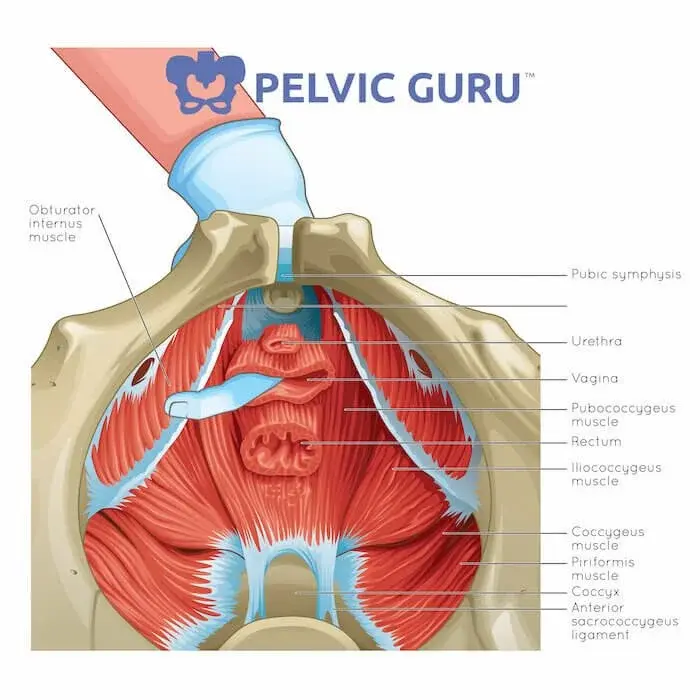
Section titled “What Are the Pelvic Floor Muscles?”Your pelvic floor is a group of muscles that stretch like a hammock from your pubic bone at the front to your tailbone at the back. These muscles support your bladder, bowel, and (in women) uterus, and play a crucial role in:
- Continence - controlling urine and bowel movements
- Support - holding pelvic organs in place
- Sexual function - contributing to sensation and arousal
- Core stability - working with other muscles to support your spine
Types of Pelvic Floor Dysfunction
Section titled “Types of Pelvic Floor Dysfunction”Weak Pelvic Floor Muscles (Hypotonicity)
Section titled “Weak Pelvic Floor Muscles (Hypotonicity)”What It Means: The muscles are too weak or lack the ability to contract effectively.
Common Symptoms:
- Stress urinary incontinence - leaking urine when coughing, sneezing, or exercising
- Pelvic organ prolapse - organs dropping into the vaginal space
- Reduced sexual sensation during intercourse
- Inability to stop or control the flow of urine
- Difficulty controlling wind or bowel movements
Common Causes:
- Pregnancy and childbirth
- Aging and menopause
- Chronic constipation and straining
- Chronic coughing
- Being overweight
- Previous pelvic surgery
Tight Pelvic Floor Muscles (Hypertonicity)
Section titled “Tight Pelvic Floor Muscles (Hypertonicity)”What It Means: The muscles are too tight, overactive, or unable to relax properly.
Common Symptoms:
- Pelvic pain - chronic aching or sharp pain
- Painful intercourse (dyspareunia)
- Vaginismus - involuntary muscle tightening preventing penetration
- Urgency and frequency - frequent, urgent need to urinate
- Constipation - difficulty with bowel movements
- Tailbone pain (coccydynia)
- Lower back pain
Common Causes:
- Stress and anxiety
- Previous trauma or injury
- Chronic pain conditions
- High-impact sports or activities
- Protective guarding due to pain
- Psychological factors
Poor Coordination
Section titled “Poor Coordination”What It Means: The muscles don’t work together properly or have poor timing.
Common Symptoms:
- Mixed symptoms of both weakness and tightness
- Difficulty with functional activities
- Inconsistent bladder or bowel control
- Pain that varies with activity
How Common Is It?
Section titled “How Common Is It?”- 1 in 3 women experience pelvic floor dysfunction at some point
- Increases with age - affecting up to 45% of women over 40
- After childbirth - up to 45% of women experience symptoms
- Often underdiagnosed because women don’t discuss symptoms
Diagnosis
Section titled “Diagnosis”Comprehensive Assessment:
Section titled “Comprehensive Assessment:”A specialist women’s health physiotherapist will perform:
External Assessment:
- Posture and movement patterns
- Breathing patterns
- Abdominal and back muscle function
- Hip and pelvic alignment
Internal Assessment (with consent):
- Pelvic floor muscle strength and tone
- Ability to contract and relax muscles
- Coordination and timing
- Presence of trigger points or tender areas
Functional Assessment:
- How symptoms affect daily activities
- Bladder and bowel diary
- Impact on quality of life
Treatment Approaches
Section titled “Treatment Approaches”
For Weak Pelvic Floor Muscles:
Section titled “For Weak Pelvic Floor Muscles:”Strengthening Exercises:
- Targeted pelvic floor contractions - learning to engage the right muscles
- Progressive resistance training - gradually increasing difficulty
- Functional exercises - incorporating contractions into daily activities
- Core stability training - strengthening supporting muscles
Techniques:
- Proper breathing patterns during exercises
- Biofeedback to ensure correct muscle activation
- Electrical stimulation in some cases
For Tight Pelvic Floor Muscles:
Section titled “For Tight Pelvic Floor Muscles:”Relaxation and Lengthening:
- Release techniques - manual therapy to reduce muscle tension
- Stretching exercises - gentle lengthening of tight muscles
- Breathing exercises - using breath to promote relaxation
- Trigger point therapy - releasing specific areas of tension

Pain Management:
- Heat therapy for muscle relaxation
- Stress management techniques
- Mindfulness and relaxation training
For Coordination Issues:
Section titled “For Coordination Issues:”Motor Retraining:
- Learning proper muscle activation patterns
- Timing exercises for functional activities
- Coordination between pelvic floor and other muscles
- Real-time feedback through biofeedback
Specialized Treatments
Section titled “Specialized Treatments”Biofeedback:
Section titled “Biofeedback:”- Visual or audio feedback showing muscle activity
- Helps you learn correct muscle activation
- Particularly useful for coordination problems
- Evidence-based treatment with high success rates
Electrical Stimulation:
Section titled “Electrical Stimulation:”- For weak muscles - helps initiate muscle contractions
- For overactive muscles - can help reduce activity
- Used alongside exercises for optimal results
Manual Therapy:
Section titled “Manual Therapy:”- Internal trigger point release for tight muscles
- Mobilization techniques for joint restrictions
- Soft tissue massage for improved circulation
Self-Care and Management
Section titled “Self-Care and Management”Daily Habits:
Section titled “Daily Habits:”- Avoid straining during bowel movements
- Maintain good posture during daily activities
- Manage stress through relaxation techniques
- Stay active with appropriate exercise
Bladder and Bowel Health:
Section titled “Bladder and Bowel Health:”- Healthy toileting posture - feet flat on floor or footstool
- Don’t delay when you feel the urge to go
- Avoid excessive fluid restriction or overconsumption
- Treat constipation to reduce strain on pelvic floor
Exercise Considerations:
Section titled “Exercise Considerations:”- High-impact activities may worsen symptoms in some people
- Low-impact options like walking, swimming, yoga often beneficial
- Proper technique is crucial - quality over quantity
- Listen to your body and modify activities as needed
Treatment Timeline
Section titled “Treatment Timeline”What to Expect:
Section titled “What to Expect:”- Initial assessment - 1-2 sessions to understand your specific issues
- Active treatment - typically 6-12 weeks of regular sessions
- Improvement timeline - many people notice changes within 4-6 weeks
- Maintenance - ongoing exercises to maintain improvements
Factors Affecting Success:
Section titled “Factors Affecting Success:”- Consistency with exercises and treatment
- Addressing contributing lifestyle factors
- Managing stress and anxiety
- Working with experienced practitioners
When to Seek Help
Section titled “When to Seek Help”Contact a healthcare provider if you experience:
- Persistent pelvic pain that affects daily activities
- Bladder or bowel control problems
- Pain during sexual activity
- Difficulty with tampons or gynecological exams
- Feeling of heaviness or bulging in the pelvis
- Symptoms that interfere with work, exercise, or relationships

Finding the Right Care
Section titled “Finding the Right Care”Healthcare Providers:
Section titled “Healthcare Providers:”- Women’s health physiotherapists - specialists in pelvic floor assessment and treatment
- Urogynaecologists - specialists in pelvic floor disorders
- Colorectal specialists - for bowel-related symptoms
- Pain management specialists - for chronic pelvic pain
Questions to Ask:
Section titled “Questions to Ask:”- Do you specialize in pelvic floor dysfunction?
- What assessment methods do you use?
- What treatment approaches do you offer?
- How long is a typical treatment course?
Success Stories and Prognosis
Section titled “Success Stories and Prognosis”Treatment Success:
Section titled “Treatment Success:”- 80-90% of people see significant improvement with appropriate treatment
- Conservative treatment (physiotherapy) is often highly effective
- Surgery rarely needed - most issues resolve with non-invasive treatment
- Quality of life improvements are typically substantial
Long-Term Outlook:
Section titled “Long-Term Outlook:”- Most people can return to normal activities
- Symptoms often resolve completely or become very manageable
- Maintenance exercises help prevent recurrence
- Early treatment typically leads to better outcomes
Prevention
Section titled “Prevention”Protective Factors:
Section titled “Protective Factors:”- Regular appropriate exercise to maintain muscle function
- Healthy toileting habits - avoid straining
- Stress management to prevent muscle tension
- Proper lifting techniques to avoid excessive pressure
- Maintain healthy weight to reduce pressure on pelvic floor
Remember: pelvic floor dysfunction is extremely common and highly treatable. Don’t let embarrassment prevent you from getting help - these conditions significantly improve with proper treatment.
For more information about pelvic floor exercises, visit the NHS pelvic floor exercises page and consider seeking assessment from a women’s health physiotherapist.