Menopause and Your Pelvic Health
Menopause and Your Pelvic Health
Section titled “Menopause and Your Pelvic Health”What is Menopause?
Section titled “What is Menopause?”Menopause is the natural biological process that marks the end of a woman’s reproductive years, typically occurring between ages 45-55. Perimenopause is the transitional phase leading up to menopause, which can last several years. During this time, estrogen levels gradually decline, significantly impacting pelvic health.
Estrogen plays a crucial role in maintaining the health and function of pelvic tissues. As levels drop, tissues become thinner, less elastic, and more fragile, leading to various pelvic health challenges.
How Menopause Affects the Pelvic Floor
Section titled “How Menopause Affects the Pelvic Floor”Tissue Changes
Section titled “Tissue Changes”- Vaginal atrophy: Vaginal walls become thinner, drier, and less elastic
- Urethral changes: The urethra becomes more sensitive and prone to irritation
- Vulvar changes: External genital tissues may become thinner and more fragile
Muscle Changes
Section titled “Muscle Changes”- Pelvic floor muscles lose strength and tone
- Reduced muscle mass and flexibility
- Decreased coordination and reflexive responses
Collagen Loss
Section titled “Collagen Loss”- Significant reduction in collagen production affects connective tissue strength
- Ligaments and fascia that support pelvic organs become weaker
- Overall structural support diminishes
pH Changes
Section titled “pH Changes”- Vaginal pH becomes less acidic (increases from 4.5 to 6.5+)
- Increased susceptibility to infections
- Changes in natural bacterial balance
Common Pelvic Health Symptoms During Menopause
Section titled “Common Pelvic Health Symptoms During Menopause”Genitourinary Syndrome of Menopause (GSM)
Section titled “Genitourinary Syndrome of Menopause (GSM)”GSM is the modern medical term encompassing the collection of symptoms affecting the genital and urinary systems during menopause.
Vaginal Symptoms:
- Vaginal dryness and reduced lubrication
- Burning, itching, or irritation
- Painful intercourse (dyspareunia)
- Feeling of vaginal tightness or reduced elasticity
- Spotting or bleeding after intercourse due to fragile vaginal tissues
- Reduced vaginal length and width
- Loss of vaginal rugae (folds) that provide elasticity
- Increased vulnerability to tearing during penetration
- Changes in vulvar appearance - tissues may appear pale, thin, or less plump
Urinary Symptoms:
- Increased urgency and frequency of urination
- Stress urinary incontinence
- Recurrent urinary tract infections
- Burning during urination
Bowel Symptoms:
- Worsening constipation due to muscle weakness
- Possible fecal incontinence in severe cases
Pelvic Organ Prolapse
Section titled “Pelvic Organ Prolapse”The risk of pelvic organ prolapse increases significantly during menopause due to:
- Weakened supporting tissues
- Loss of estrogen’s protective effects
- Cumulative effects of previous childbirth trauma
Vaginal Laxity
Section titled “Vaginal Laxity”Some women experience a feeling of vaginal looseness or reduced sensation, which can affect sexual satisfaction and confidence.
Diagnosis and When to Seek Help
Section titled “Diagnosis and When to Seek Help”When to Contact Your GP
Section titled “When to Contact Your GP”- Persistent vaginal dryness or pain
- Recurrent urinary tract infections
- Changes in urinary habits
- Pain during intercourse
- Feeling of pelvic pressure or “something falling out”
What to Expect in Assessment
Section titled “What to Expect in Assessment”- Discussion of symptoms and medical history
- Physical examination including pelvic exam
- Possible urine tests to rule out infections
- Assessment of hormone levels if indicated
Important: These symptoms are not an inevitable part of aging. Effective treatments are available, and you should not suffer in silence.
Management and Treatment Options
Section titled “Management and Treatment Options”Hormone Replacement Therapy (HRT)
Section titled “Hormone Replacement Therapy (HRT)”Systemic HRT:
- Pills, patches, or gels that provide whole-body hormone replacement
- Can help with multiple menopausal symptoms
- Requires discussion with healthcare provider about benefits and risks
Local Estrogen Therapy:
- Estrogen creams, pessaries, or vaginal rings
- Specifically targets vaginal and urinary symptoms
- Lower hormone exposure than systemic HRT
- Often first-line treatment for GSM
Non-Hormonal Treatments
Section titled “Non-Hormonal Treatments”Vaginal Moisturizers and Lubricants:
- Regular use of vaginal moisturizers (not just during intercourse)
- Water-based or silicone-based lubricants for sexual activity
- Avoid products with glycerin or parabens
Other Medications:
- Ospemifene: A selective estrogen receptor modulator for dyspareunia
- Various other treatments depending on specific symptoms
Pelvic Floor Physiotherapy
Section titled “Pelvic Floor Physiotherapy”Tailored Exercise Programs:
- Assessment to determine if muscles need strengthening or relaxation
- Kegel exercises when appropriate
- Stretching and relaxation techniques for overactive muscles
- Biofeedback and electrical stimulation when indicated
Lifestyle, Diet, and Self-Care
Section titled “Lifestyle, Diet, and Self-Care”Nutrition
Section titled “Nutrition”- Calcium and Vitamin D: Essential for bone health (1200mg calcium, 800-1000 IU vitamin D daily)
- Protein: Maintain muscle mass with adequate protein intake
- Hydration: Drink plenty of water to support overall tissue health
- Phytoestrogens: Foods like soy, flaxseeds, and legumes may provide mild estrogenic effects
Exercise
Section titled “Exercise”- Weight-bearing activities: Walking, dancing, weight training to maintain bone density
- Pelvic floor exercises: Regular practice to maintain muscle function
- Core strengthening: Support overall pelvic stability
- Flexibility exercises: Yoga or stretching to maintain tissue mobility
Bowel Management
Section titled “Bowel Management”- High-fiber diet to prevent constipation
- Regular bathroom routine
- Avoid straining during bowel movements
Sexual Health
Section titled “Sexual Health”- Use adequate lubrication
- Take time for arousal and foreplay
- Communicate openly with partners about changes
- Consider different positions or techniques if needed
Educational Video Resources
Section titled “Educational Video Resources”Understanding Pelvic Floor Changes During Menopause:
Section titled “Understanding Pelvic Floor Changes During Menopause:”Pelvic Floor Strengthening for Menopausal Women:
Section titled “Pelvic Floor Strengthening for Menopausal Women:”Managing Incontinence During Menopause:
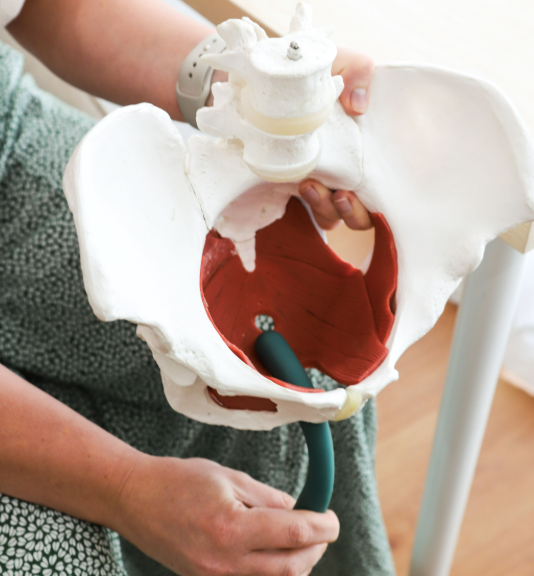
Section titled “Managing Incontinence During Menopause:”Using Pelvic Floor Wands and Dilators for Menopausal Changes:
Section titled “Using Pelvic Floor Wands and Dilators for Menopausal Changes:”These educational videos provide professional guidance on understanding and managing the pelvic health changes that occur during menopause.
Support and Resources
Section titled “Support and Resources”Professional Organizations
Section titled “Professional Organizations”- British Menopause Society: Evidence-based information and healthcare provider directory
- International Urogynecological Association: Patient education materials
- The Menopause Society (North America): Comprehensive menopause resources
Finding Help
Section titled “Finding Help”- Consult your GP for initial assessment
- Ask for referral to menopause specialist if needed
- Consider urogynaecology referral for complex pelvic symptoms
- Visit our recommended practitioners page
Related Pages
Section titled “Related Pages”Remember: Menopause affects every woman differently. What works for one person may not work for another, so it’s important to work with healthcare providers to find the right approach for your individual needs.